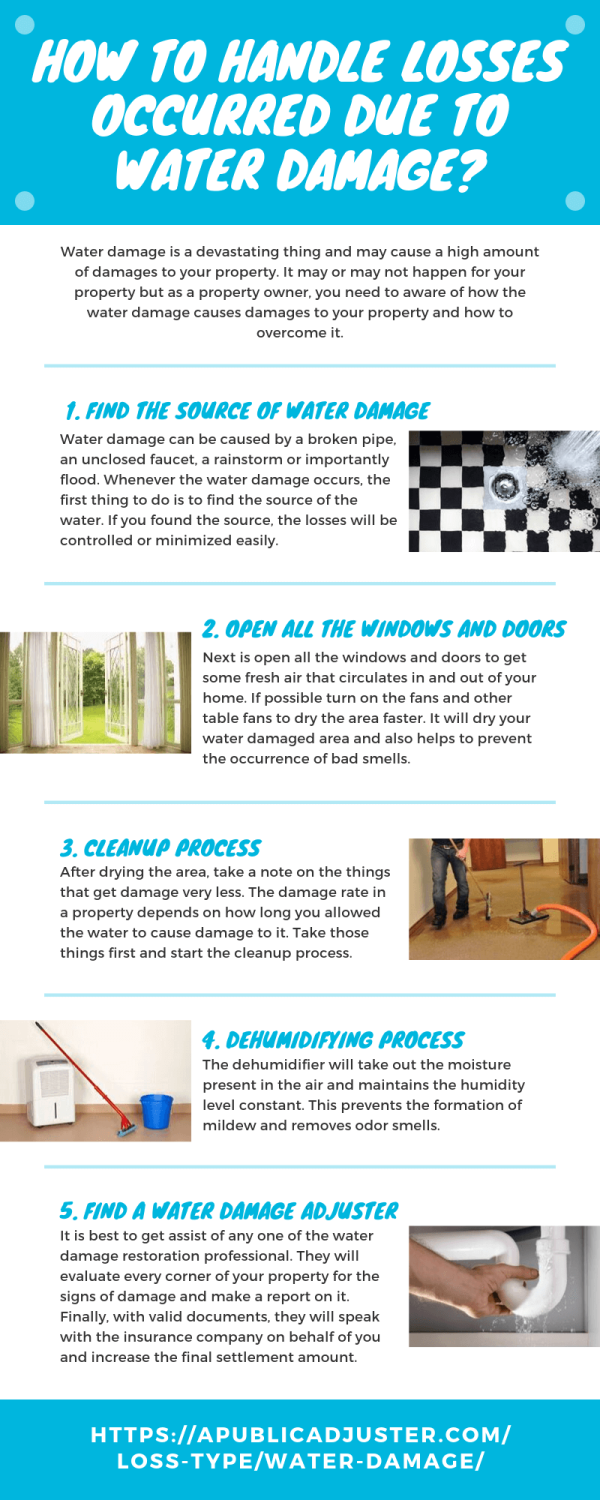
Have you ever before observed discolorations on your ceiling or an abrupt decrease in your home's air high quality? Ceiling water damages can stem from a number of covert concerns, like dripping pipes or roofing system problems. It's necessary to tackle these concerns without delay to stay clear of expensive fixings and wellness risks. However what steps should you require to deal with the damage and prevent it from occurring once again? Let's explore the causes, options, and preventative actions you can apply.
What Triggers Ceiling Water Damage?
Ceiling water damage usually occurs when pipes leak or roofing systems fall short, so it's essential to resolve these problems without delay. A typical culprit is pipes problems, where worn or broken pipes can cause unwanted leaks that permeate right into your ceiling.
In addition, roof covering leakages triggered by missing out on shingles or bad installation can enable rainwater to infiltrate your home. Condensation from improperly insulated air ducts or HVAC systems can additionally contribute, creating moisture build-up that harms your ceiling with time.
Even overflow from bathtubs or sinks can flow down, creating discolorations and structural problems. Identifying these reasons early can conserve you from pricey repair services and additional damages, so watch on your home's pipes and roof conditions.
How to Fix Water-Damaged Ceilings
When you notice water damage on your ceiling, it's crucial to act promptly to avoid further concerns.
First, determine the source of the leakage and repair it-- whether it's a pipeline, roof covering, or an additional problem.
Next off, eliminate any type of broken products. If the ceiling is discolored yet structurally audio, you can clean it with a blend of water and mild detergent.
For more substantial damages, you may need to change drywall or plaster. Eliminate the affected location, set up new material, and tape the seams.
Once everything's completely dry, sand the surface area, use guide, and paint to match the remainder of your ceiling.
Always use safety equipment and take into consideration consulting a professional if the damages is considerable.
Just How to stop Future Ceiling Water Damages?
To keep future water damage away, regularly check your roof covering and plumbing for leakages or use. Look for missing shingles, fractures, or indicators of rust around pipes. If you detect any concerns, repair them instantly to stop larger troubles down the line.
Make sure seamless gutters are clean and functioning effectively, directing water away from your home's structure. Inside, monitor moisture degrees; use dehumidifiers in moist areas to minimize wetness.
Take into consideration installing water leakage detectors near possible issue places for early signals. Finally, maintain your home's outside paint and sealants to protect versus water infiltration.
Final thought
To conclude, addressing ceiling water damages quickly is essential to prevent more issues. By identifying https://mollyyehhouseremodel12212.digitollblog.com/40762107/the-ultimate-overview-for-homeowners-on-water-damages-restoration-and-mold-avoidance of the leakage and repairing it, you can alleviate damages successfully. Keep in mind to get rid of any damaged materials and paint the surface area for a fresh appearance. Normal evaluations and upkeep will help you avoid future troubles. By staying aggressive, you'll not only safeguard your home but also make sure a much healthier living atmosphere for you and your family.